
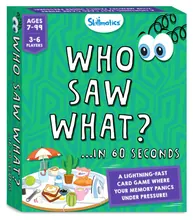


Card game
Who Saw What? in 60 Seconds
Study a busy picture for 60 seconds, then shout what you saw
- Set-up
- About 2 min
- Reading
- Little
The quick verdict
Full verdict ↓Great for Families with children from about 7, playing with parents and grandparents
Think twice if You usually play as two; it needs at least three
How we rate it
Learning curve. Look, remember, shout. A seven-year-old understands it after one round, so it sits with UNO at 1 on our scale.
Luck & skill. Memory and quick recall decide most rounds; which letters you hold and which picture comes up add a little luck.
Interaction. Everyone races at once and the shouting is shared, but mostly you are working from your own memory.
Set-up. Hand out the letter cards, stack the picture cards face down and put the sand timer in the middle.
Reading. The letter cards show single letters and the pictures have no words; only the manual needs reading.
Learning curve: 1 = UNO or Connect 4; 3 = Catan; 5 = a heavy strategy game. These describe the experience, not an overall score.
Paid link · We may earn a commission, at no extra cost to you.
Is Who Saw What? in 60 Seconds right for you?
Great if
- Families with children from about 7, playing with parents and grandparents
- Groups of 3 to 6 cousins who enjoy shouting out answers
- Children who love spotting odd details in busy pictures
- A twenty-minute game after dinner during the school holidays
Skip it if
- You usually play as two; it needs at least three
- You prefer quiet games; everyone shouts at once
- Your youngest players don't yet know the names of everyday objects in English and you don't want house rules
How Who Saw What? in 60 Seconds plays
Set-up: give everyone some letter cards (the box has 75) and keep the 20 picture cards face down, with the sand timer close by. The maker's page doesn't say how many letters each player gets, so check the manual.
- Time to teach: about 5 minutes.
- Reading and language: Nothing on the cards needs reading beyond single English letters, but you get rid of a letter by naming something you saw, so players need the names of everyday objects in English. Mixed-language families can agree a house rule, such as allowing a Hindi or regional word that starts with the right letter sound.
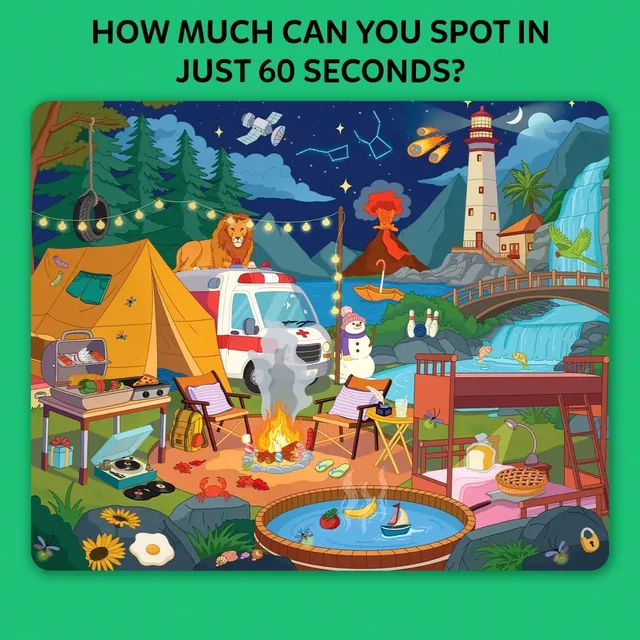
Test your memory with Who Saw What? · Skillmatics · Official
Choose a video · Watch right here
If this creator doesn’t allow embedded playback, watch on YouTube ↗.
A turn, step by step
- 1Look
Turn up a picture card and start the sand timer: everyone has 60 seconds to study the scene.
- 2Shout
When time is up, race to shout out things you remember, discarding a letter card for each.
- 3Win
First to get rid of all their letters wins the round; most rounds wins the game.
The full explanation: how a game of Who Saw What? in 60 Seconds goes
A round: turn a picture card face up and start the sand timer. Everyone has 60 seconds to study the scene, which is packed with everyday objects and, Skillmatics promises, a few bizarre ones you would never expect to see.
Shout: when time is up, the picture goes away and everyone races, all at once, to shout out things they remember. Each thing you name lets you throw away one of your letter cards; in the maker's examples, each letter card is matched to an object starting with that letter.
How you win: the first player to get rid of all their letters wins the round, and whoever wins the most rounds wins the game.
Tip: Skillmatics sells it as sharpening memory and observation, which is the maker's claim. For a fairer game with younger children, let them keep fewer letter cards than the adults.
What's in the box
- 20Picture cards
busy scenes with over 1,000 objects in all, says Skillmatics - 75Letter cards
- 1Sand timer
for the 60-second look - 1Instruction manual
Box: 25 × 20.8 × 4.3 cm, 0.68 kg. Handy to know for gifting and travel.
Contents are from Skillmatics' product page for this box (item SKILL1617WSW): 75 letter cards, 20 picture cards (1000+ objects), 1 sand timer and an instruction manual. There is only one edition.
Where to buy
Paid link · We may earn a commission, at no extra cost to you.
How to make sure you get a genuine copyEditions and the details worth checking.
What reviewers and players say
Who Saw What? in 60 Seconds appeared on Skillmatics' store in January 2026, and we found no independent written reviews or forum threads about it. Its YouTube coverage so far is the maker's own clip and short videos from creators, several of them affiliate promotions. On paper it is a lively memory race: stare at a busy picture for a minute, then shout out what you remember to get rid of your letter cards. Skillmatics pitches it as sharpening memory and observation; treat that as the maker's claim and enjoy it as a quick, noisy family game.
What people love
- A minute of looking, then a burst of shouting, so rounds are quick and lively
- Busy pictures with odd details give children and adults plenty to laugh about
- Works for 3 to 6 players from about 7 years up
- Twenty picture cards with over 1,000 objects in all, according to Skillmatics
Common complaints
- No independent reviews yet, so it is hard to say how long the 20 pictures stay fresh for a family that plays often
- Needs at least three players
- Naming objects relies on English words unless you agree a house rule for other languages
Based on 5 reviews and discussions
- Reference Who Saw What? In 60 Seconds: Fast-Paced Memory Game for Kids (Skillmatics, January 2026) · Skillmatics India
- Reference Who Saw What? product data (Skillmatics, item SKILL1617WSW) · Skillmatics India
- Reference Play videos (Skillmatics) · Skillmatics India
- Reference Test your memory with Who Saw What? (Skillmatics, April 2026) · YouTube (Skillmatics)
- Video Is this game easy enough for my 7 and 10 year-old to play? (Adventure Mama Family Travels and Products, October 2026) · YouTube
Summarised in our own words from the sources above. We don't use Amazon reviews or ratings.
More like Who Saw What? in 60 Seconds
Which game is the best fit?
Our picks if Who Saw What? in 60 Seconds isn't quite right.
Swipe to compare every game
| Compare the games.The details that make a difference. |
YOU’RE VIEWING
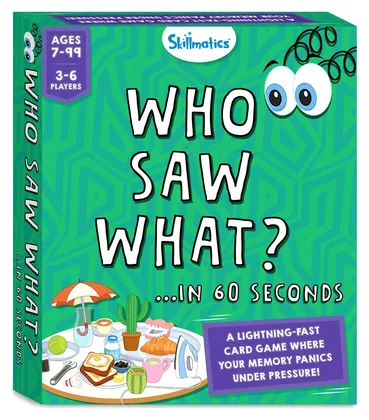 Who Saw What? in 60 Seconds
|
ANOTHER WAY TO PLAY
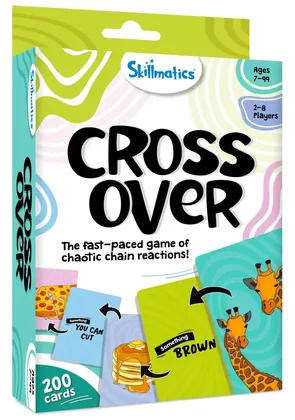 Crossover
|
ANOTHER WAY TO PLAY
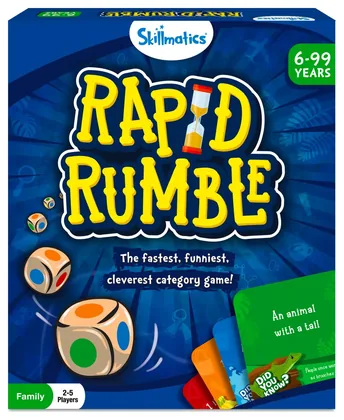 Rapid Rumble
|
ANOTHER WAY TO PLAY
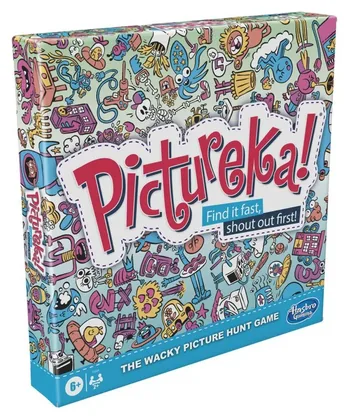 Pictureka!
|
|---|---|---|---|---|
| Why consider it | This game Study a busy picture for 60 seconds, then shout what you saw | A different fit Skillmatics' other new everyone-at-once card race | A different fit Skillmatics' race to name things that fit a letter and a category | A different fit Another hunt for things hidden in busy pictures |
| Players | 3–6 | 2–8 | 2–5 | 2–6 |
| Best with | 4-6 | 4-8 | 3-5 | 3-5 |
| Play time | 15–20 min | 5–10 min | 20–30 min | 20–30 min |
| Age | 7+ | 7+ | 6+ | 6+ |
| Rules | Easy | Easy | Easy | Easy |
| Indian edition | Available | Available | Available | Available |
| On this page | Explore Crossover | Explore Rapid Rumble | Explore Pictureka! |
More from Skillmatics
Another way into their collection.

Guess in 10
Ten yes-or-no questions to name the hidden animal.
Rapid Rumble
Roll, flip a category, and shout words before the timer ends.
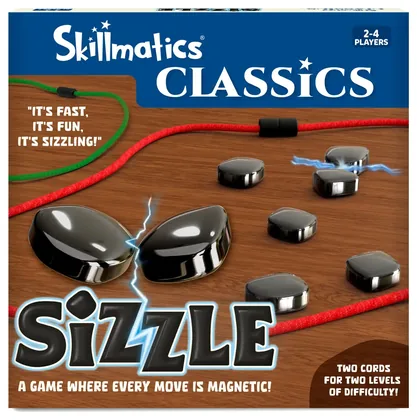
Sizzle
Place magnets inside a loop without letting them snap together.
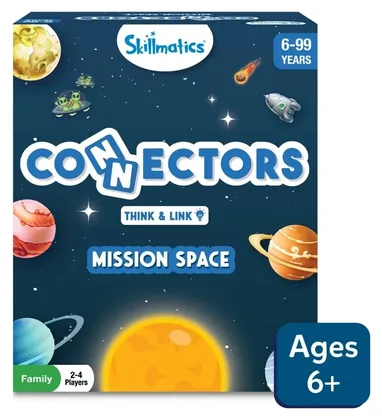
Connectors: Mission Space
Link picture tiles into a path through planets and galaxies
Crossover
Race to empty your hand by linking pictures and categories
More memory games
Different games. A familiar kind of fun.
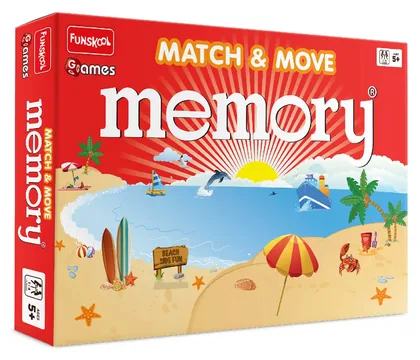
Match & Move Memory
Remember where each picture hides and race your piece home
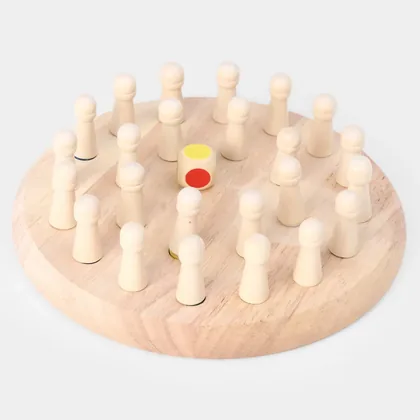
Memory Chess
Remember where the colours hide and pull out the right peg
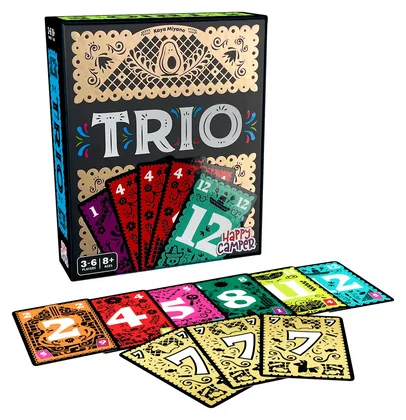
Trio
Find three of a kind by asking for highest and lowest cards

SKYJO
Swap and flip cards to finish each round with the lowest score
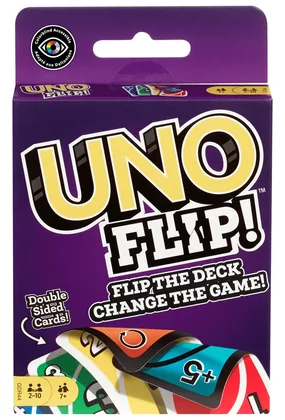
UNO Flip!
Flip every card over to UNO's nastier Dark Side and back again
Also playable with two
For game nights with two players.
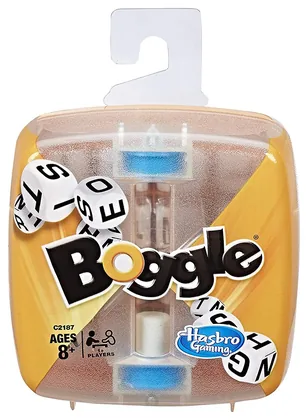
Boggle
Shake the letter cubes and find words before time runs out
Match & Move Memory
Remember where each picture hides and race your piece home
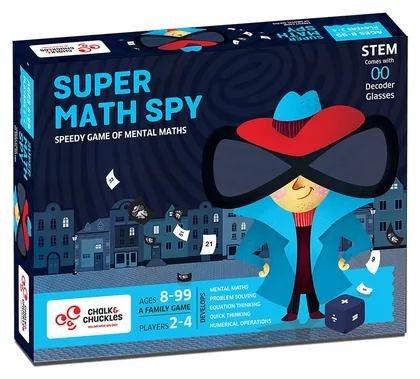
Super Math Spy
Race to build an equation that hits your mission number
Memory Chess
Remember where the colours hide and pull out the right peg
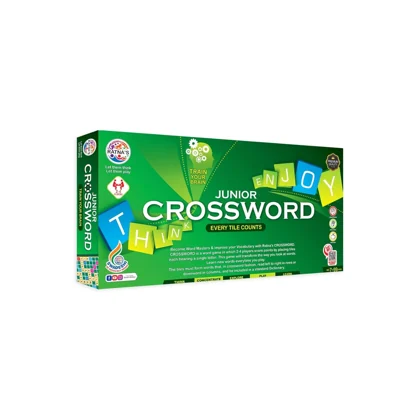
Junior Crossword
Build crossing words and find a better home for every letter
Questions people ask about Who Saw What? in 60 Seconds
How do you play Who Saw What? in 60 Seconds?
A picture card is turned up and everyone gets 60 seconds, timed by a sand timer, to study it. When time is up, players race to shout out things they remember, and each one lets them throw away a letter card. The first to get rid of all their letters wins the round, and the most rounds wins the game.
How many players can play Who Saw What?
Skillmatics says 3 to 6 players aged 7 and up, and a game takes about 20 minutes.
What is in the Who Saw What? box?
20 picture cards with over 1,000 objects in all, 75 letter cards, a sand timer and an instruction manual.
Does Who Saw What? improve memory?
Skillmatics says it sharpens memory and observation; that is the maker's claim, and we know of no study of this game. What it certainly does is make children look closely at a picture and recall details under a little time pressure.
Is Who Saw What? made in India?
Skillmatics' product page gives India as the country of origin and names Grasper Global Private Limited, Skillmatics' Mumbai-based company, as the manufacturer.
Game facts
- Publisher
- Skillmatics (Grasper Global Pvt Ltd, Mumbai, India)
- In India
- Skillmatics (Grasper Global Private Limited, Mumbai), which makes the game
- First published
- 2026
- Players
- 3–6
- Barcode
- 8904279517486
- Language
- Some English – Nothing on the cards needs reading beyond single English letters, but you get rid of a letter by naming something you saw, so players need the names of everyday objects in English. Mixed-language families can agree a house rule, such as allowing a Hindi or regional word that starts with the right letter sound.
- Box size and weight
- 25 × 20.8 × 4.3 cm, 0.68 kg
Sources & photo creditsThe references behind this guide.
Facts on this page come from the publisher, the Indian maker or distributor, and the sources below. Photos are credited under each one.