


Card game
Phase 10
Rummy with a twist: clear ten set targets in order
- Set-up
- About 2 min
- Reading
- Little
The quick verdict
Full verdict ↓Great for Families who play rummy with an ordinary deck and would like a version with a clear goal for every round
Think twice if You want a quick game, since a full game runs over many rounds and can easily last an hour or more
How we rate it
Learning curve. If you know rummy's sets and runs, it takes minutes to learn. It is a small step up from UNO, because players need to remember which of the ten phases they are on and how hitting works, but it still sits at 1 on our scale.
Luck & skill. The cards you draw, and what your neighbour discards, decide a lot, and you can be stuck on one phase for several rounds. Choosing what to keep, what to discard and when to use a Skip helps a little.
Interaction. You take cards from the shared discard pile, add cards to other players' phases and skip each other, but there are no direct attacks beyond the Skip.
Set-up. Show everyone the phase reference card, shuffle, deal ten cards each, and turn over the top card of the rest to start the discard pile. Keep a pencil and paper handy to track phases and scores.
Reading. Cards show only numbers, colours and the words Wild and Skip. The list of ten phases is in English; once someone explains it, no reading is needed.
Learning curve: 1 = UNO or Connect 4; 3 = Catan; 5 = a heavy strategy game. These describe the experience, not an overall score.
Paid link · We may earn a commission, at no extra cost to you.
Is Phase 10 right for you?
Great if
- Families who play rummy with an ordinary deck and would like a version with a clear goal for every round
- Two to six players, including children from about 7 who know their numbers and colours
- Train journeys and holidays, because it is just one small box of cards
- A cheap gift: the genuine Mattel deck costs very little
Skip it if
- You want a quick game, since a full game runs over many rounds and can easily last an hour or more
- Your group gets frustrated by bad luck, because you can stay stuck on the same phase for several rounds
- You need a game for a big party, as six players is the maximum
A place on the honours list
Good company to be in.
Recognition from beyond our table.
National Toy Hall of Fame (The Strong National Museum of Play, USA), 2024 (Inducted)
How Phase 10 plays
Deal ten cards to each player and put the rest face down as a draw pile, with one card turned up beside it to start a discard pile. The deck has 96 number cards (1 to 12, twice over, in four colours), 8 Wild cards and 4 Skip cards. Everyone starts on Phase 1, and the ten phases have to be completed in order. Phase 1 is two sets of three, Phase 4 is a run of seven, Phase 8 is seven cards of one colour, and Phase 10 is a set of five plus a set of three.
- Time to teach: about 10 minutes.
- Reading and language: The cards show only numbers, colours and the words Wild and Skip. The list of ten phases is in English, so someone should explain it once; after that, no reading is needed.
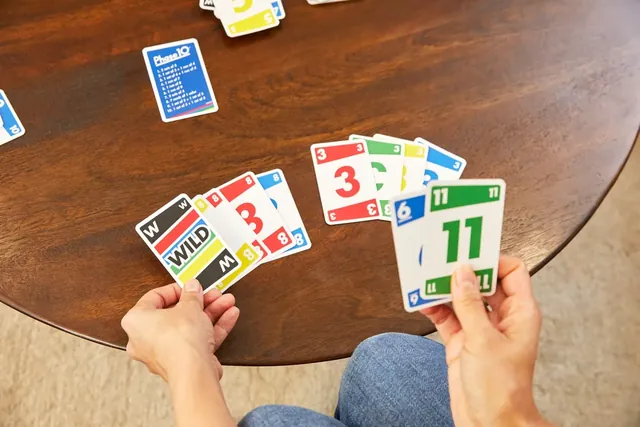
How To Play Phase 10 in Just 3 Minutes · Tabletop Duo
Choose a video · Watch right here
If this creator doesn’t allow embedded playback, watch on YouTube ↗.
A turn, step by step
- 1Draw
Take the top card of the draw pile or the top card of the discard pile.
- 2Phase
If your hand holds your whole current phase, lay it face up. Once it is down, you may also add cards to any phase on the table, yours or anyone else's.
- 3Discard
End your turn by discarding one card. Discard a Skip to make a player of your choice miss their next turn.
- 4Win
When someone plays their last card, the round ends and everyone who laid a phase moves up. The first to complete Phase 10 wins; if several do it in the same round, the lowest penalty score wins.
The full explanation: how a game of Phase 10 goes
On your turn, take the top card from either the draw pile or the discard pile. If your hand now holds your whole phase, lay it face up on the table. Then end your turn by discarding one card. You can only complete one phase in each round.
Once your phase is down, you can start getting rid of your other cards by adding them to any phase already on the table, yours or anyone else's: a 7 onto someone's set of 7s, or a 9 onto the end of a run. A Wild can stand in for any number or colour. A Skip makes a player of your choice miss their next turn. Skips cannot be used in a phase, and a discarded Skip can't be picked up from the discard pile.
The round ends as soon as one player has put down their phase and got rid of every card. Anyone who completed a phase that round moves on to the next one, and anyone who didn't must try the same phase again. Before long, players are working on different phases, so someone who falls behind can still catch up if the leader gets stuck.
After each round, everyone except the winner scores penalty points for the cards left in their hand: 5 for each card from 1 to 9, 10 for each from 10 to 12, 15 for a Skip and 25 for a Wild. The first player to complete Phase 10 wins. If two players finish it in the same round, the one with the lower score wins; if they are still tied, they replay Phase 10 and the first to go out wins. For a shorter game, the rules let you agree beforehand how many phases to play, or play exactly ten rounds with everyone moving up a phase each round, and the lowest score wins.
What's in the box
- 96Number cards
1 to 12, twice over, in each of red, blue, green and yellow - 8Wild cards
stand in for any number or colour - 4Skip cards
make another player miss a turn; can't be used in a phase - 2Phase reference cards
list the ten phases; 2 in Mattel's W4729 deck, the number in the Indian W5800 box wasn't confirmed - 1Instruction sheet
From Mattel's rule sheet for its US deck (item W4729): 108 playing cards plus 2 phase reference cards. The box sold in India is Mattel's international item W5800, which some Indian listings describe as '112 pieces', so it may hold four reference cards instead of two. The 108 playing cards are the same in every standard deck.
Where to buy
Paid link · We may earn a commission, at no extra cost to you.
How to make sure you get a genuine copyEditions and the details worth checking.
What reviewers and players say
Phase 10 is rummy with a to-do list: everyone works through the same ten targets in order, and a player who gets stuck on a phase can be caught by the others, so nobody is out of it for long. Reviewers find it easy to learn and family-friendly, with a big deck and a satisfying sense of progress, and it is one of the world's best-selling card games, second only to UNO. The common complaints are length and luck: a full game needs at least ten rounds and often runs well past an hour, and the cards you draw decide a lot. Mattel's rules include shorter versions, and it was inducted into the US National Toy Hall of Fame in 2024.
What people love
- Easy to learn, with only a couple of simple choices each turn
- A built-in catch-up: later phases are harder, so players who fall behind can still win
- A family-friendly mix of luck and strategy that can get competitive
- A clear finish line: you know the game ends when someone completes Phase 10
Common complaints
- Too long for many groups: often 15 to 20 rounds and 90 minutes or more
- Heavy luck: you can stay stuck on the same phase for several rounds
- Plain cards that rely on colour, which may be hard for colour-blind players
Based on 6 reviews and discussions
- Review Phase 10 Card Game Review (Eric Mortensen, September 2017) · Geeky Hobbies
- Review Phase 10 Card Game Review (TTPM editors, updated August 2022) · TTPM
- Award 2024 Toy Hall of Fame inductees revealed (The Strong, November 2024) · The Strong National Museum of Play
- Players Comment in 'Ask HN: What are your favourite games?' (codingdave, February 2022) · Hacker News
- Reference Phase 10 Card Game instruction sheet (Mattel, 2018) · Mattel
- Reference Phase 10 · Wikipedia
Summarised in our own words from the sources above. We don't use Amazon reviews or ratings.
More like Phase 10
Which game is the best fit?
Our picks if Phase 10 isn't quite right.
Swipe to compare every game
| Compare the games.The details that make a difference. |
YOU’RE VIEWING
 Phase 10
|
ANOTHER WAY TO PLAY
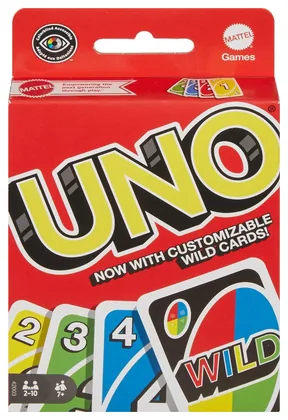 UNO
UNO
|
ANOTHER WAY TO PLAY
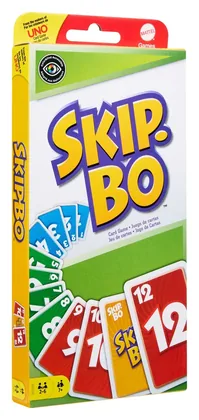 Skip-Bo
|
ANOTHER WAY TO PLAY
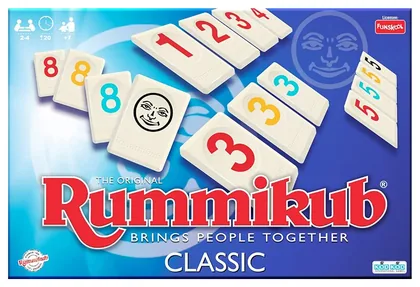 Rummikub
|
|---|---|---|---|---|
| Why consider it | This game Rummy with a twist: clear ten set targets in order | A different fit Mattel's simpler and quicker card game, and better for big groups | A different fit Mattel's calmer number game: build shared piles from 1 to 12 | A different fit Also built on rummy sets and runs, but played with tiles |
| Players | 2–6 | 2–10 | 2–6 | 2–4 |
| Best with | 3-5 | 4-6 | 2-4 | 3-4 |
| Play time | 45–90 min | 10–30 min | 20–45 min | 20–60 min |
| Age | 7+ | 7+ | 7+ | 7+ |
| Rules | Easy | Easy | Easy | Easy |
| Indian edition | Available | Imported | Available | Available |
| On this page | Explore UNO | Explore Skip-Bo | Explore Rummikub |
More from Mattel
Another way into their collection.
UNO
Match colours or numbers, then shout UNO before anyone catches you.
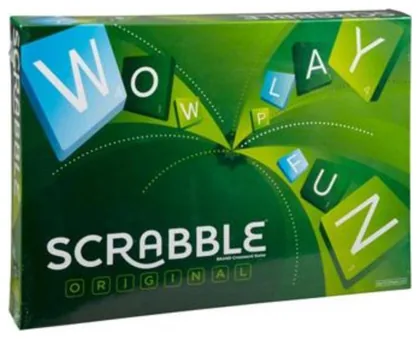
Scrabble
Build crossword words from letter tiles and chase the bonus squares
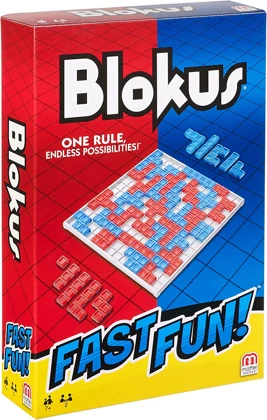
Blokus Fast Fun
A compact duel for two: fit your shapes, protect your corners, block your opponent

Pictionary
Sketch the clue for your team, no letters or talking
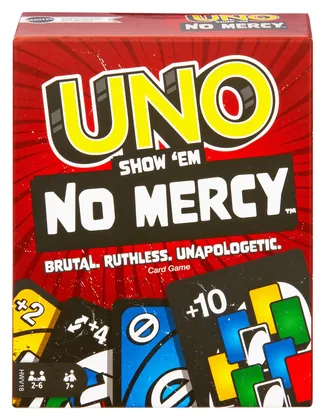
UNO Show 'em No Mercy
UNO with stacking, hand swaps, Wild Draw 10s and knockouts
More from Mattel India
Also made or sold in India by Mattel India.
Scrabble
Build crossword words from letter tiles and chase the bonus squares
Pictionary
Sketch the clue for your team, no letters or talking
UNO Show 'em No Mercy
UNO with stacking, hand swaps, Wild Draw 10s and knockouts
Skip-Bo
Build shared piles from 1 to 12 and empty your Stockpile first
More set-collecting games
Different games. A familiar kind of fun.
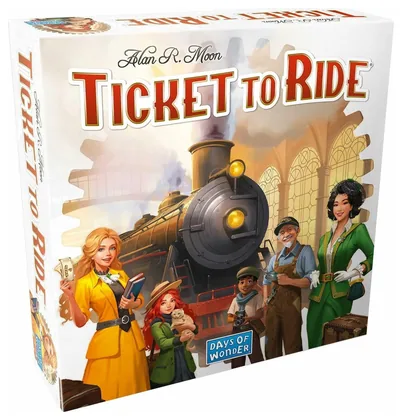
Ticket to Ride
Collect coloured cards and claim railway routes across America.
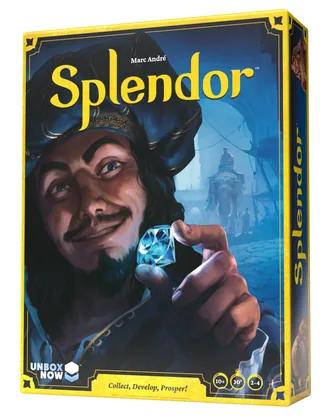
Splendor
A quick gem-trading race where every card makes the next easier.

Jaipur
Two rival merchants trade goods and camels in old Jaipur
Rummikub
Rummy with tiles: build runs and groups, then rearrange the table

Sushi Go!
Pick a dish, pass the rest, build the best sushi meal
Also playable with two
For game nights with two players.
Splendor
A quick gem-trading race where every card makes the next easier.
Jaipur
Two rival merchants trade goods and camels in old Jaipur
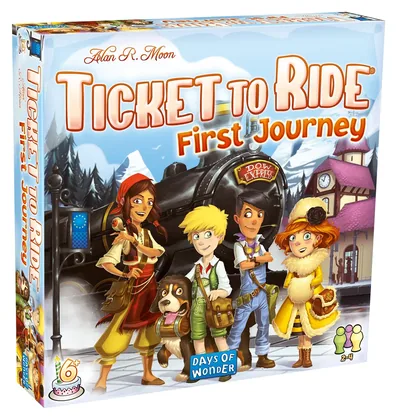
Ticket to Ride: First Journey
A shorter, simpler Ticket to Ride made for children six and up
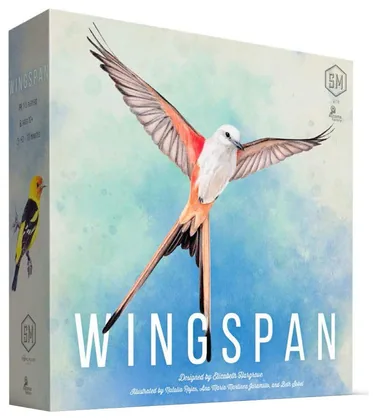
Wingspan
Calm card game about birds where every new bird boosts your turns.
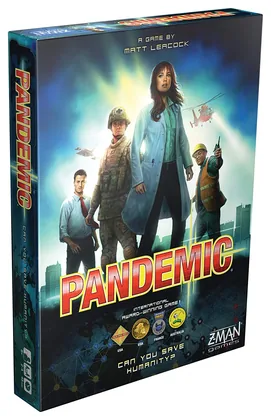
Pandemic
Work together to cure four diseases before time runs out
Questions people ask about Phase 10
Is Phase 10 like rummy?
Yes, it is built on rummy ideas: you collect sets of the same number and runs of numbers in a row. The twist is that each round you must make one specific combination, and you work through ten of them in a fixed order. Families who play rummy with an ordinary deck will recognise most of it.
How long does a game of Phase 10 take?
Longer than UNO. A game lasts until someone completes all ten phases, which takes at least ten rounds and often more. Mattel's rules include two shorter versions: agree beforehand how many phases to play, or play exactly ten rounds with everyone moving up a phase each round, and the lowest score wins.
Is the Phase 10 sold in India genuine and made in India?
Mattel's deck sold in India is genuine. Indian listings give India as the country of origin and name Mattel Toys (India) Pvt. Ltd., Mumbai, as the manufacturer.
Can two people play Phase 10?
Yes. Mattel's deck is for 2 to 6 players aged 7 and up. With more players there is more waiting between turns, and a round can end before you get close to finishing your phase.
Game facts
- Designed by
- Kenneth Johnson
- Publisher
- Mattel (originally Fundex Games)
- In India
- Mattel Toys (India) Pvt. Ltd., Mumbai (named as manufacturer on an Indian listing)
- First published
- 1982
- Players
- 2–6
- Barcode
- 746775060817
- Language
- Little reading – The cards show only numbers, colours and the words Wild and Skip. The list of ten phases is in English, so someone should explain it once; after that, no reading is needed.
- Awards
- National Toy Hall of Fame (The Strong National Museum of Play, USA), 2024 (Inducted)
Sources & photo creditsThe references behind this guide.
Facts on this page come from the publisher, the Indian maker or distributor, and the sources below. Photos are credited under each one.
- Phase 10 - Wikipedia
- Mattel - Phase 10 Game (W5800) product page
- Mattel - Phase 10 Card Game (W4729) product page
- Mattel - Phase 10 Card Game (W4729) rules sheet, PDF
- Mattel Shop - Phase 10 Card Game (W4729)
- Hamleys - Mattel Phase 10 Card Game Intl (W5800)
- Crossword - Phase 10 Card Game
- FirstCry - Mattel Phase 10 Card Game
- Gameistry - Phase 10